Physical Address
304 North Cardinal St.
Dorchester Center, MA 02124
Physical Address
304 North Cardinal St.
Dorchester Center, MA 02124
A couple of weeks ago when the DJI Pocket 4 came out we were flooded with videos form content creators who were mostly praising the new DJI gimbal camera – which is something that we have come to expect, very flattering reviews from people who received the product for free.
It makes sense that these early testers would have an overly positive attitude towards the camera, after all that is what the company that is sending you free stuff expects – more of a commercial than a real review.
Most of us know this and have to wait for real reviews of the product, made by people who bought the camera with their own money and are not afraid to share their experiences and thoughts, whatever they may be.
First real world use review
The first review that caught my eye was done by Samuel Sotiega and he gave a good overview of his experience with the new camera and being an owner of the Pocket 3, as many of us are, he could also compare it to its predecessor.
In the video he summarized his experiences into 2 categories; The good and really good vs. the Not-so-good and downright ugly. Here is an overview of his findings with my thoughts in italic.
The Good and “Really Good” Stuff
Backward compatibility: Most Pocket 3 accessories (filters, battery handle, etc.) work with the Pocket 4, saving money.
Backward compatibility is a great feature for everyone owning a Pocket 3, particularly if you bought the creator combo, with all the additional gadgets. The Dji Mic 2 is also compatible, which great (I have two of them). +++
Storage and transfer: 107 GB internal storage + microSD support (plenty for hours of footage). Much faster data transfer via USB-C with quick menu options (data/webcam).
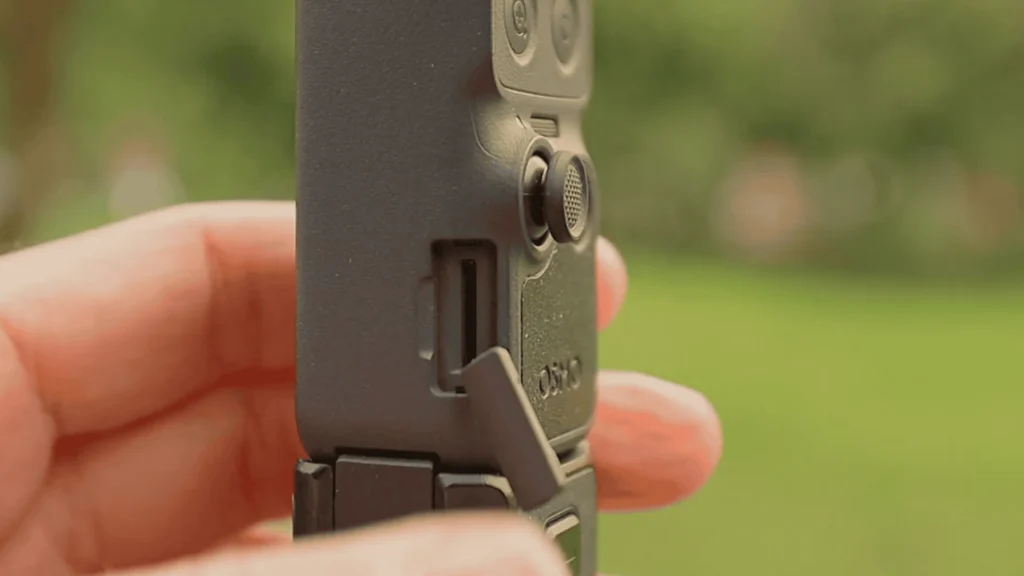
Two great QOL features; 107 GB of internal storage (there are rumors that the Pocket 4P has 128 GB) and very fast transfer to your computer. +++
Image quality upgrades: Larger 1-inch sensor (37 MP), 14 stops of dynamic range (better highlight retention, more shadow detail, less clipping). Improved low-light performance. Proper 10-bit D-Log (not just D-Log M). 4K/60fps normal + impressive 4K/240fps slow-motion.
The 1-inch sensor is superior in every sense to the Pocket 3’s sensor – a much needed update. The 4K/240fps slow-motion is also very good upgrade, beating most high-end FF/APSC/M43 cameras. Would have loved to see 1080/480 fps tough, like on the (two) new GoPro cameras. +++
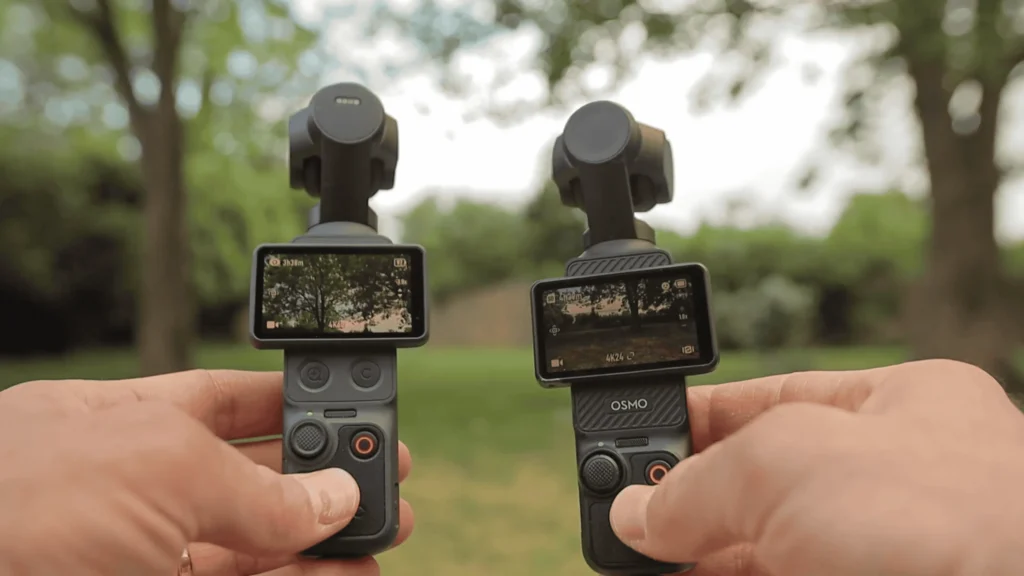
Usability tweaks: Snappier screen/menus, more intuitive manual controls, familiar interface with expansions. Fast startup (ready to record in seconds). Excellent stabilization (on par with the already-great Pocket 3).
All things one would expect form a newer model. +
Tracking and features: Smoother ActiveTrack 7.0. New hand gestures (e.g., V-sign for recording). Easy horizontal-to-vertical switching (with a tip for full 4K in vertical by rotating the whole unit). In-camera film emulation tones/LUTs for quick social media-ready footage.
The film emulations look very interesting and useful for quick output. ++
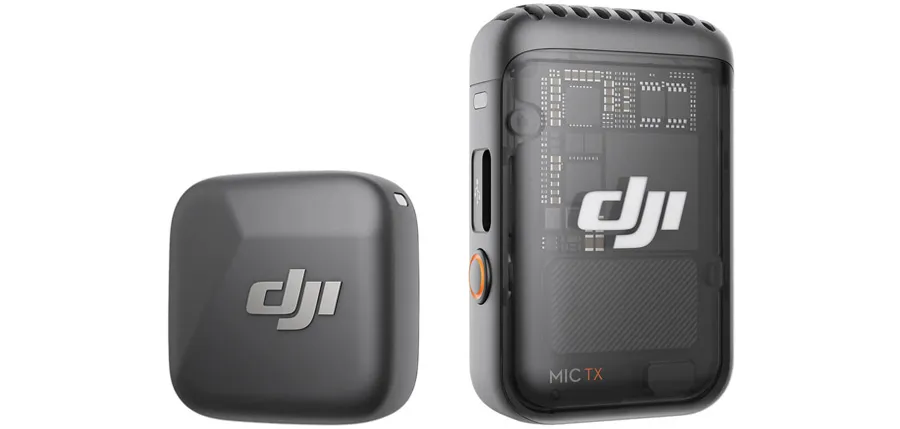
Creator Combo additions: Improved wireless mic (tiny and good) and a small magnetic fill light (useful in some low-light scenarios like unboxing).
Not relay fond of the new mic, the Insta360 is a much more innovative and creative design, with personalized logos that look really cool. The DJI logo is kind of meh, not something I would want to show on a person that I am interviewing (or myself). +
And now for the not so good stuff.
Not-So-Good and “Downright Ugly”
Marginal overall upgrade: Looks and feels very similar to the Pocket 3. Improvements are incremental rather than revolutionary; not a big “wow” factor justifying the price for existing owners.
Agree, the wow factor will be the Pocket 4P with the Pro features.
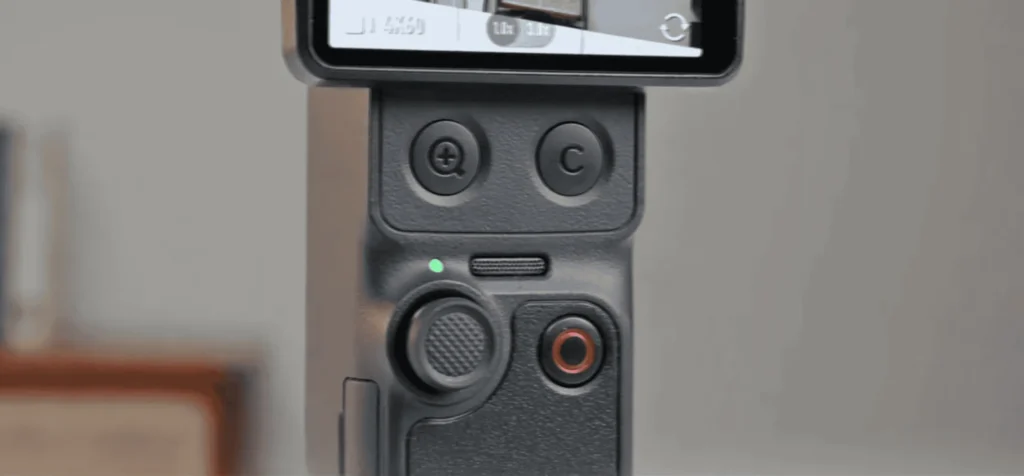
New buttons disappointing: Zoom button offers 1.5x/2x (digital), but quality drops noticeably except in perfect bright conditions. Preset button is limited to DJI’s fixed options with no customization—often useless for personal workflows. These features aren’t carried over well to the Mimo app.
I feel that the zoom button will shine with the Pocket 4P with its seamless telephoto zoom ability and up to 3 x true zoom (even more in digital).
Accessories issues: The included “protector” case is terrible (exposes gimbal, screen, and buttons; risk of damage). The new mic lacks easy lavalier integration. The fill light feels like a cheap gimmick.
Agree on all 3; the protector is a joke, I also use a lavalier and miss the mic input in the new mini mic 2 (as well as the internal 32-bit float recording) and the light is just a gimmick, not really useful and cumbersome to carry along.
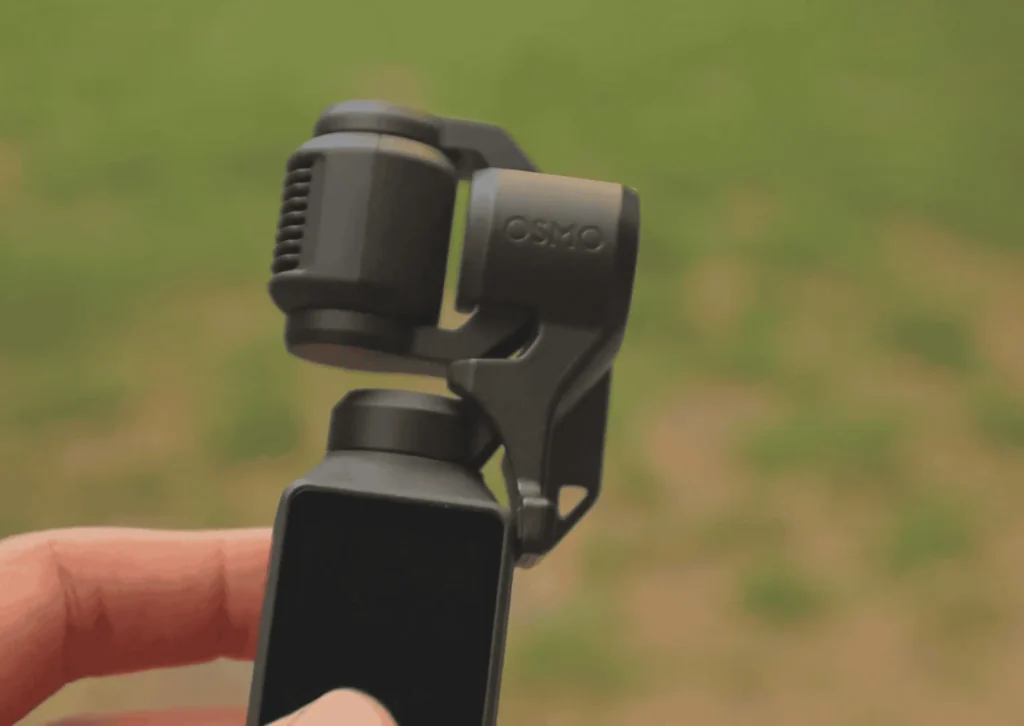
Vertical video limitations: Screen-flip crops to 3K (workaround: shoot horizontal and rotate for full resolution). The monitor screen in horizontal mode hides the 2 new buttons.
The difference in image quality is noticeable, but the workaround seems doable, yet a bit awkward. The blocking of the 2 new buttons in vertical mode is also a big flaw and renders them unusable in this mode.
D-Log caveats: Great when using the Mimo app for monitoring/grading, but less practical for quick vlogging without it.
Small screen, big problems – a bigger screen, at least on the Pocket 4P, would have been so much better, but I get it that would hinder the smallness factor of the device.
Overall a good overview of the Pocket 4, with its limitations and areas of improvement, which, in some cases, DJI could address with future firmware updates.
Side note: The video talking head video was shot with a Canon full frame camera and if we compare it to the Pocket 4 image, we can see a much more pleasing image, with nice depth of field, so for these types of shots full frame is still king.
The second video – comparison of the Pocket 4 vs Pocket 3
The second reviewer has pretty much the same findings:
Key Differences & Improvements (Pocket 4 over Pocket 3)
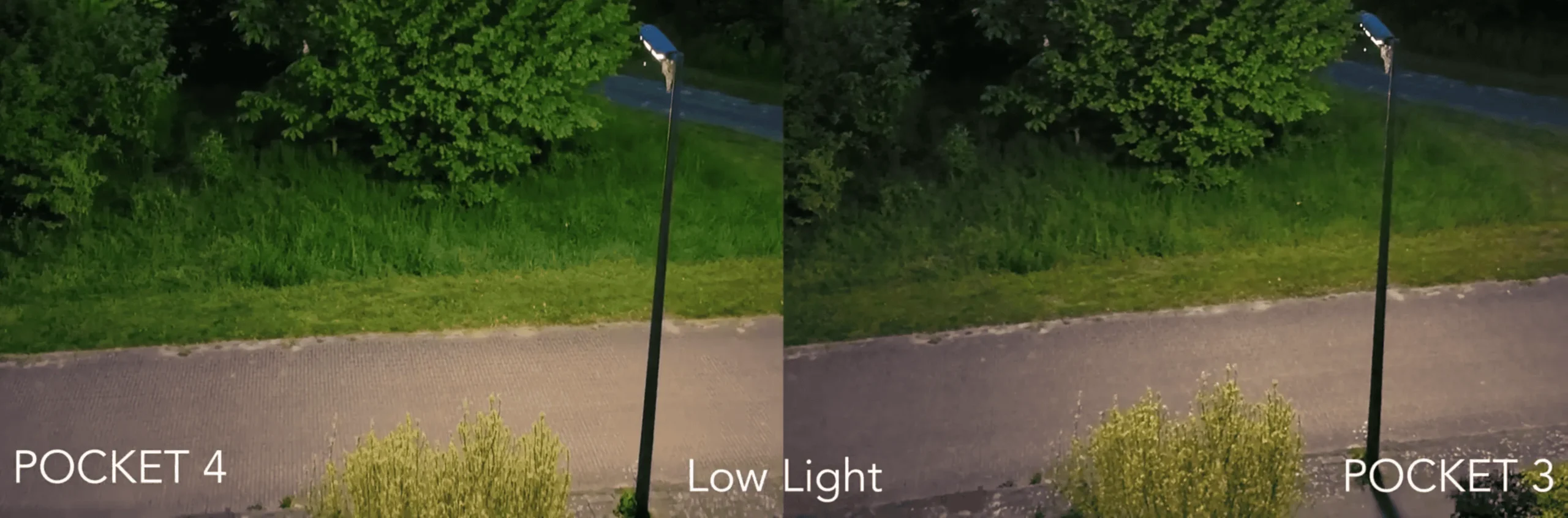
Sensor & Image Quality: Larger/better sensor with significantly improved dynamic range (HDR) — better highlight/shadow retention. Colors adapt to scenes much faster (near-instant vs. up to 5 seconds on Pocket 3). Stronger low-light performance, making it usable in very dim conditions (e.g., nighttime streets) where Pocket 3 struggled.
The nighttime improvements are noticeable, but not overly amazing as it is still only a 1-inch sensor.
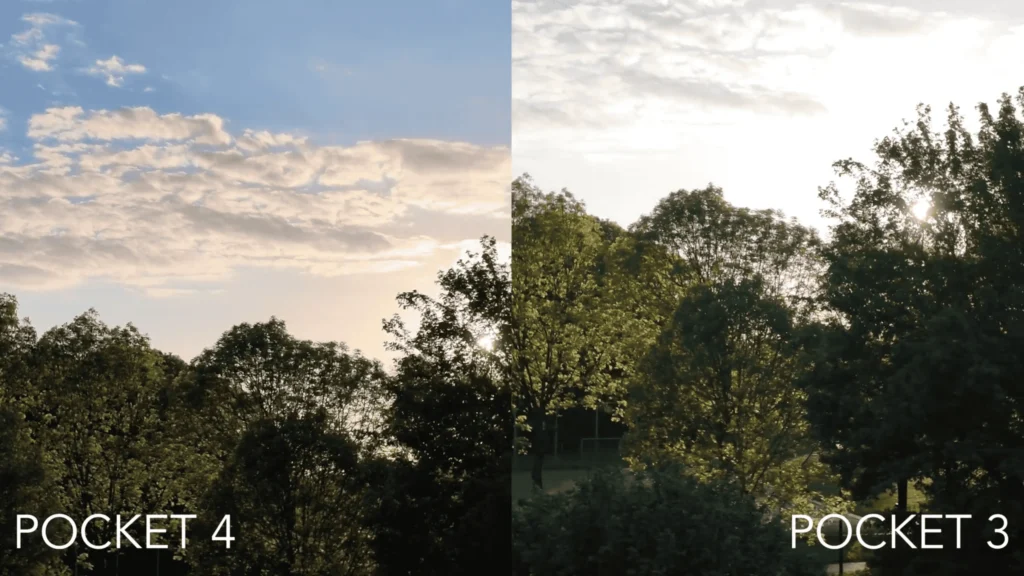
Log Recording: Proper D-Log (not D-Log M) — much better for color grading and professional workflows.
Much flatter true Log profile gives you more control over your editing.
Slow Motion: 4K/240fps — looks “absolutely stunning” for slow-motion enthusiasts.
Yup, would like to see if it uses the whole sensor or is there any lineskiping and/or in camera AI magic going on.
Internal Storage: Built-in memory (no need to buy an SD card immediately) + protective SD card cover.
From the initial rumors I thought it just had the internal storage – the option of also having a micro SD card, which is now protected unlike in the Pocket 3, expands its usefulness and storage capacity. +++
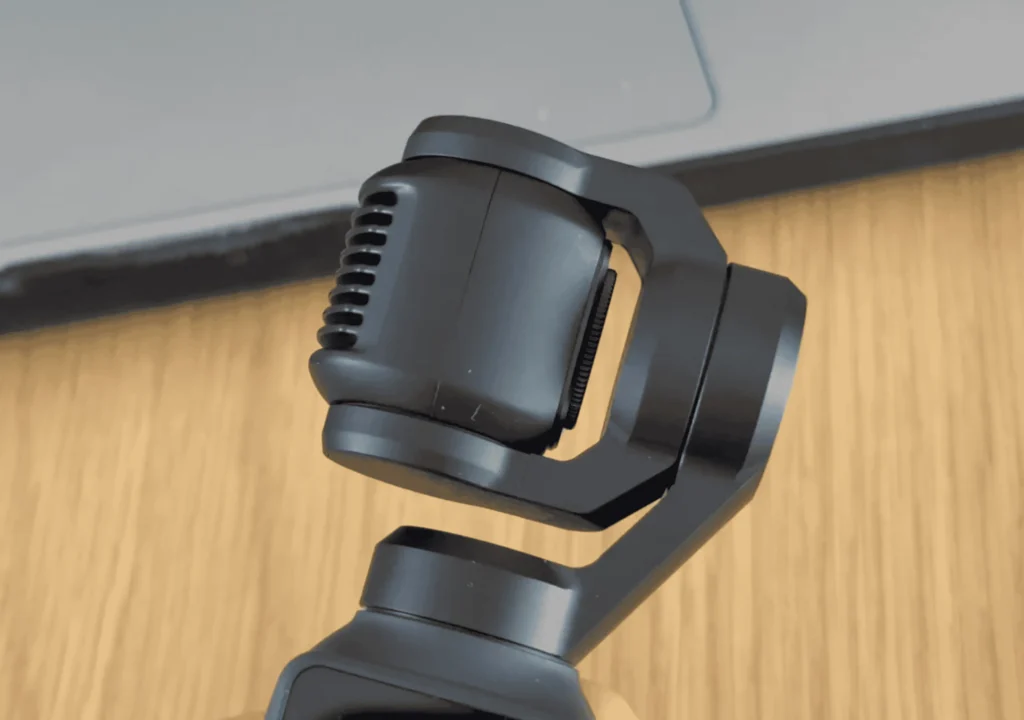
Design/Build Tweaks: Slightly taller (better clearance for ND/CPL filters without interference when opening/closing gimbal). New magnetic gimbal protector. Comes with improved wireless mic (DJI Mic 3 compatible).
This is a very welcome change for all users of filters, that you don’t need to take them off every time you shut down the camera. +++
Zoom: Lossless zoom now works in D-Log mode (not available on Pocket 3). Dedicated zoom button for easier control.
A welcome addition for those shooting in D-log. ++
Other Positives: Faster scene adaptation, good fill light integration (controllable from camera menu), and overall better performance in demanding conditions.
Drawbacks & Criticisms (Things “Nobody Mentions”)
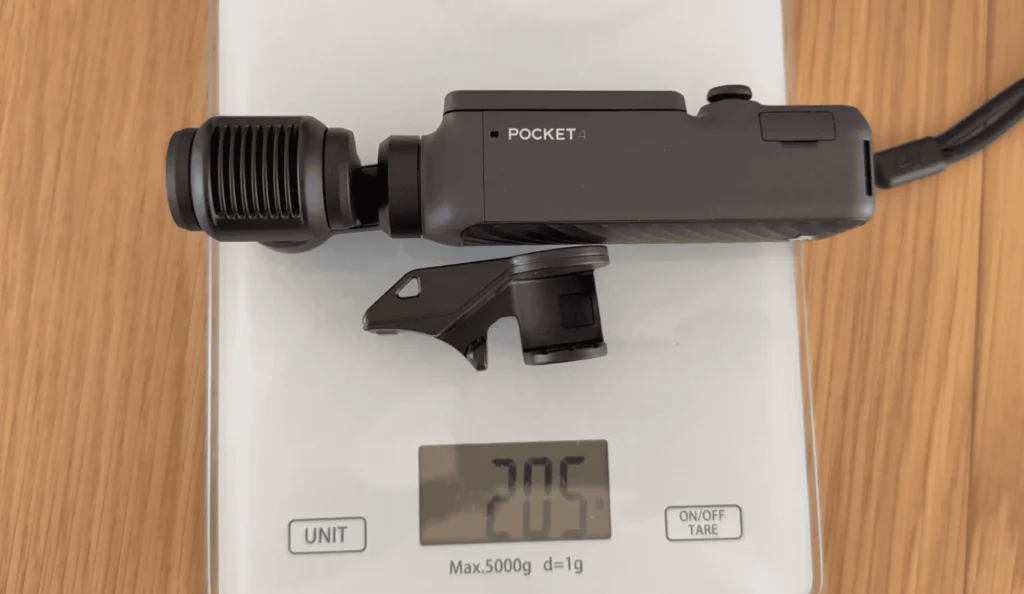
Build/Handling Issues: Heavier (about 10g more, plus protector). New joystick is overly sensitive — easy accidental touches while walking or tracking can cause unwanted zooming or gimbal repositioning.
The joystick sensitivity could be an issue, depending on how you are using the camera – maybe something that DJI could fix in a firmware update.
Vertical Video: Still no full 4K vertical recording (a notable bummer for social media creators).
The previously mentioned workaround, shoot horizontal and rotate for full resolution, takes care of this issue, plus you still have the option of using the 2 new buttons.
Screen & Controls: Screen touch sensitivity remains poor (same as Pocket 3). Zoom button becomes unusable/hidden in vertical orientation.
Battery Life: Slightly worse in side-by-side tests (e.g., 84% remaining vs. 91% on Pocket 3 after similar shooting).
Not such a big deal, it charges up very quickly.
Accessories & Case: No hard-shell case (replaced by less protective options). Stock travel case is tight and annoying. Reviewer prefers third-party (e.g., Telesin) cases. Fill light is convenient but not revolutionary.
Thankfully third party manufacturers will come to the rescue with a variety of accessories.
Conclusion
It is really refreshing to have real world reviews that give a true overview of the new product. This is what potential buyers want, good information, no hiding bad things because of future sponsorship deals and showing your experiences with examples and detailed video comparisons.